
Bulk goods are solid materials made up of many individual particles that behave as free-flowing under gravity. They're typically handled loose — without unit packaging — and can be poured, conveyed, dosed, or transferred in suitable containers. In logistics, bulk goods are often understood as mass commodities whose quantity is usually measured by weight or volume.
Classification is based on material behavior: bulk goods take the shape of their container, form heaps, and can flow very differently depending on grain size, moisture, or surface properties. They differ in particular from piece goods (individual, distinct units like cartons or pallets) and from liquid goods (e.g., oils, chemicals), which have different requirements for tightness and handling. Also relevant is the distinction from granulates or powders, which are often bulk goods but are treated as subcategories with specific properties.
Bulk goods appear in many industries — construction, agriculture, raw materials, chemicals, food, and feed. Examples include sand, gravel, cement, grain, sugar, salt, plastic granules, or fertilizers. Depending on the product, bulk goods can be inert and uncritical, or they can trigger special requirements for safety, hygiene, and environmental protection.
The key characteristics of bulk goods come from their particle structure and the resulting flow and compaction behavior. Typical parameters are grain size distribution, bulk density, moisture content, flowability, abrasion/dust tendency, and the tendency to segregate or bridge in silos. These properties influence the choice of conveyor technology (e.g., belt, screw, or pneumatic conveying), storage media (silos, bunkers, big bags), and handling processes (tipping, grabs, conveyor systems).
For transport, bulk goods often move in bulk containers, silo trucks, tipper trucks, freight wagons, or ships' cargo holds. The choice of transport mode depends on quantity, distance, product requirements, and handling options. For sensitive or contamination-critical goods, closed systems with dust-tight loading and unloading and low-contact product surfaces are used. For dusty or fine products, measures to bind dust and comply with occupational and environmental limits are key.
Use cases for bulk goods range from raw material supply (e.g., building materials) to the continuous feeding of production plants (e.g., plastic granules in plastics processing). In food and feed logistics, additional factors come into play: traceability, hygiene, cleanability of transport vehicles, and protection from moisture or pests. In chemicals or hazardous goods, requirements around labeling, explosion protection (e.g., for dust explosion risks), and separation of incompatible materials can also matter.
Measurement and billing logic also tend to differ from piece goods: quantities are often recorded via weighing, volume measurement, or silo level monitoring. At the same time, material properties (like moisture) can change bulk density and affect the comparability of volume figures. So defined quality parameters and uniform specifications are especially important in trade and supply chains.
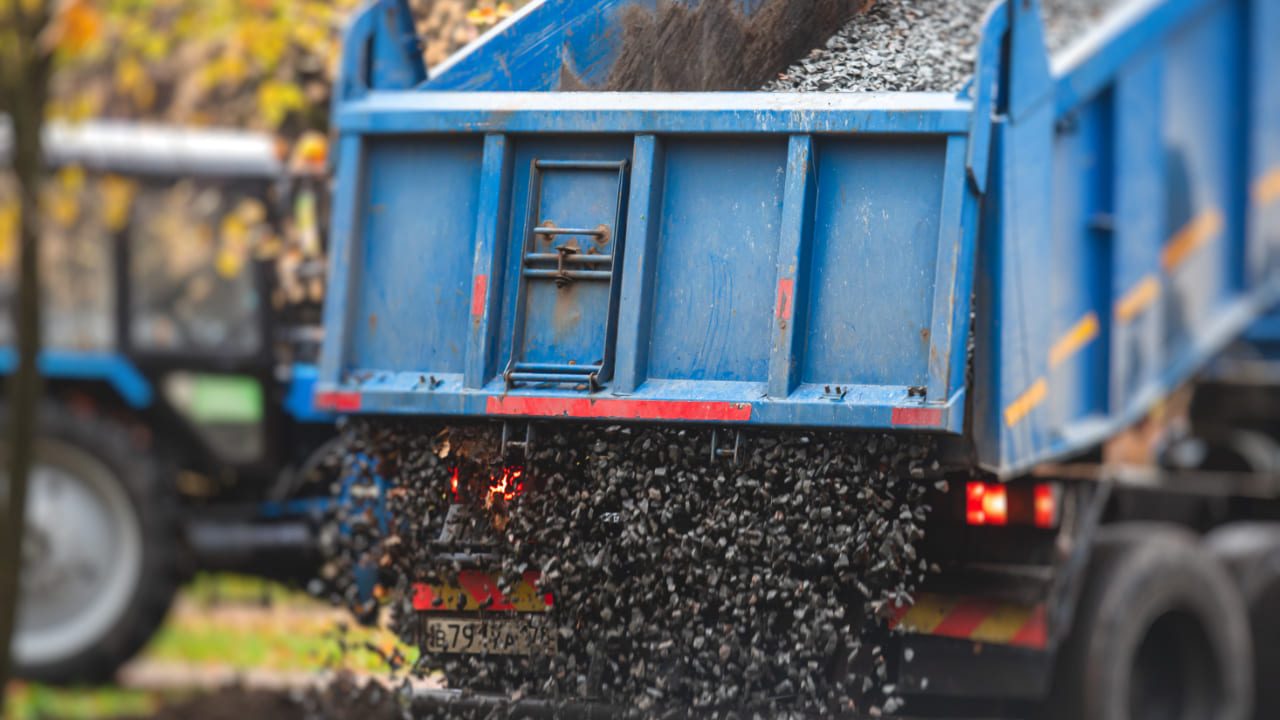
Bulk goods shape many logistics value chains because they often come in large quantities and drive high handling intensity. In construction and raw materials logistics, the focus is on cost-efficiency of transport and handling, and the availability of suitable storage and unloading points. In agricultural logistics, harvest cycles, seasonal peaks, and gentle-handling requirements affect capacity planning and infrastructure — grain silos, intake points, and loading facilities, for example.
In industrial production environments, bulk goods are often part of continuous material flows. Here, stable feeding processes, minimal downtime, and avoiding material losses are central. Disruptions typically come from blockages, caking, segregation, or insufficient dust extraction. Logistics and technical concepts are aligned with material properties — through suitable discharge aids, vibration systems, fluidization, or adapted conveyor speeds.
In E-Commerce, classic bulk goods play a smaller role than in B2B, but they still show up in mail-order as consumables and building materials (e.g., pet food, road salt, seeds, fertilizer, sand in small quantities). There, packing and shipping requirements come more into focus: bulk goods are usually offered in bags, sacks, buckets, or big bags to make them manageable for KEP networks, pallet shipping, or freight forwarding. Risks of leakage, dust generation, moisture ingress, and weight limits influence the choice of packaging, load carriers, and shipping mode.
Regulatory frameworks also apply by material group: food and feed require appropriate hygiene standards, while certain fine dusts or chemical products can demand special safety measures. For international transport, customs- and trade-relevant product classifications and clear goods descriptions matter, since bulk goods are defined not by piece counts but by mass/volume and specification.
Discover a variety of technical terms and in-depth explanations in our Zenfulfillment logistics lexicon.
Regardless of whether you are looking for the basic definitions of familiar terms or are interested in detailed explanations of complex topics — our logistics lexicon provides you with comprehensive information to help you To better understand the world of logistics and e-commerce.
Be inspired by practical examples, learn about new trends and discover helpful tips that will help you to continuously expand your knowledge in the logistics industry and stay up to date.


