
Mobile Data Capture (MDC) describes the digital recording and processing of information directly at the point of action — in the warehouse, at goods receipt, in picking, or during shipping. In a logistics context, this means movement and status data isn't captured later at a stationary workstation but transferred to a system immediately via a mobile device. Typical information captured includes item numbers, quantities, storage locations, batches, serial numbers, timestamps, and states like "put away," "picked," or "shipped."
Mobile Data Capture is closely tied to the digitalization of material flows and acts as the link between physical activities and IT systems. MDC isn't a single piece of software, but the interplay of device, capture method, and connected backend (e.g., inventory management or warehouse management). Communication often happens over Wi-Fi or mobile networks, alternatively via offline storage with later synchronization. In logistics and shipping, MDC primarily serves to capture process data in a timely, complete, and low-error way.
At its core, MDC is about standardized, mobile data capture along logistics process chains. It's typically classified as part of operational execution within warehouse and shipping processes: MDC provides the data foundation so systems can track inventory correctly, assign orders properly, and document process steps clearly. This puts MDC in direct relation to IT-supported control and documentation functions, without necessarily taking them over.
The distinction from related terms lies mainly in focus: while a warehouse management system (WMS) or ERP system plans, prioritizes, and documents processes, MDC is the mobile capture layer that feeds the necessary data from the field into these systems. The term is also used both for the entire solution (hardware, software, interfaces) and as shorthand for the device itself ("MDC device" or "handheld").
MDC solutions are based on mobile devices like handheld scanners, smartphones, tablets, or wearables. Capture often happens via barcode scanning (1D/2D), sometimes via RFID, camera recognition, or manual input. For process guidance, screen-based dialogs are typically used to map the current work step — for example, scanning a storage location and then the item. Additional functions like plausibility checks (e.g., "wrong storage location") or required fields (e.g., serial number) are common to ensure data quality.
Typical use cases in logistics and shipping include:
Defining characteristics include proximity to the process (capture at the point of action), fast availability of data in the system, and the ability to evidence process steps. In many environments, MDC is also a prerequisite for end-to-end traceability — for example, with batch or serial number requirements. The specific implementation depends on warehouse structure, item portfolio, regulatory requirements, and the desired level of automation.
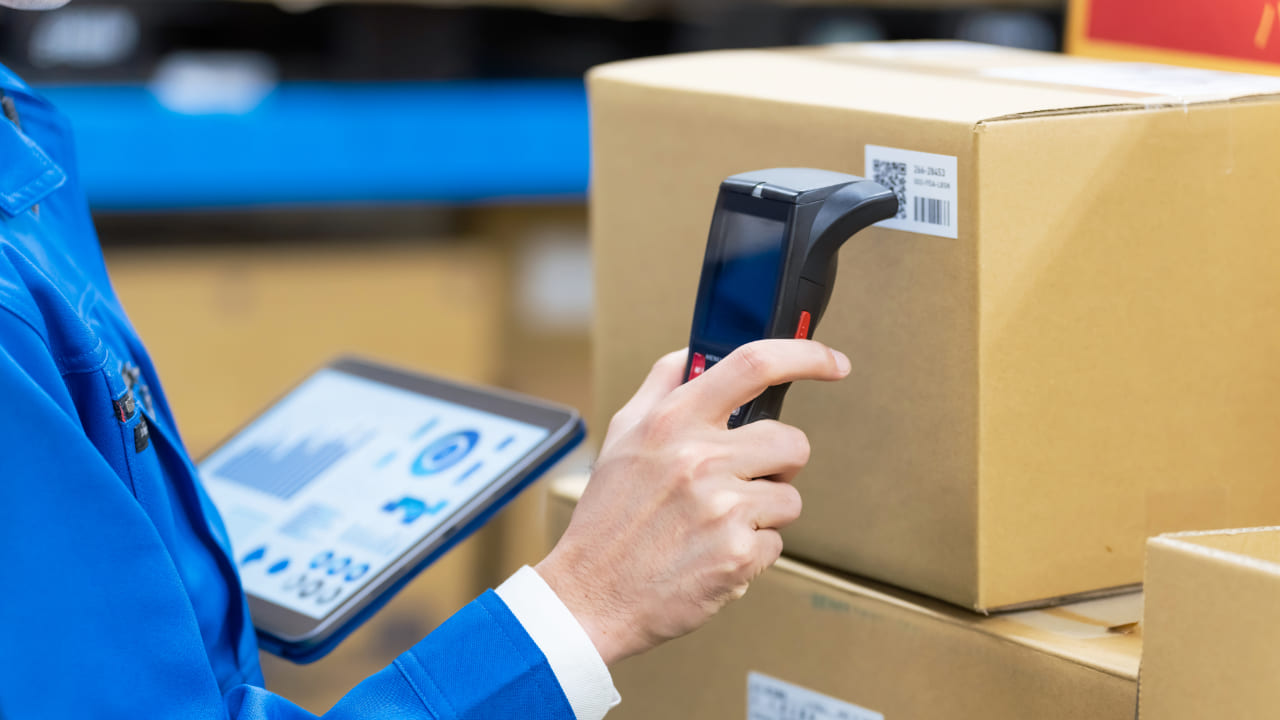
In logistics and e-commerce, MDC is a central building block for supporting high shipment volumes, short turnaround times, and transparent inventory. By capturing movements directly, systems can update inventory in near-real-time, advance orders correctly, and provide status information along the fulfillment process. This is particularly relevant in omnichannel and multi-carrier setups, where warehouses, shipping providers, and customer interfaces depend on consistent data.
One key benefit is improved data quality: media breaks and after-the-fact entries are reduced, so discrepancies between physical and system inventory occur less often. At the same time, MDC enables finer process documentation through timestamps and user assignments, which can matter for auditability and traceability of operations. Combined with process rules (e.g., required scan of storage location and item), MDC helps reduce typical error patterns like wrong picks, mix-ups, or incompletely booked relocations.
The impact of MDC depends heavily on system integration. Integrated solutions exchange data in real-time with ERP or WMS and can support task lists, route optimization, or prioritized picks. With weaker integration, MDC data is transferred with delay or in batches via interfaces, which reduces immediacy. Technical conditions like Wi-Fi coverage, device management, battery life, and robust input concepts also influence stability in operational use.
In the shipping environment, MDC also helps correctly assign packages to shipments — for example, by scanning package labels, tracking numbers, or loading points. This keeps shipping statuses consistent and makes deviations like missing packages or wrong tour assignments easier to detect quickly. In highly standardized processes, MDC can also serve as the basis for further automation, for example for sorting decisions or assigning shipments to conveyor sections.
Discover a variety of technical terms and in-depth explanations in our Zenfulfillment logistics lexicon.
Regardless of whether you are looking for the basic definitions of familiar terms or are interested in detailed explanations of complex topics — our logistics lexicon provides you with comprehensive information to help you To better understand the world of logistics and e-commerce.
Be inspired by practical examples, learn about new trends and discover helpful tips that will help you to continuously expand your knowledge in the logistics industry and stay up to date.


