
An order picker is a person or technical system that gathers product line items in a warehouse or distribution center for a specific demand. That demand can come from customer orders in e-commerce, store replenishments in retail, or material requests in production. The goal is to provide the requested items in the right quantity, complete, and on time.
In the overall logistics process, the order picker typically sits between goods receipt, storage, and shipping or staging. The activity is part of intralogistics and is closely tied to order processing. Depending on the organization, the term also refers to the role in the process (the executing unit), regardless of whether picking is manual, semi-automated, or fully automated.
In practice, the role involves more than just "picking" items. It often also includes verifying item identities (e.g. via barcode), consolidating multiple line items into one order or shipping unit, and handing off to downstream steps like packing, consolidation, or loading. The exact setup depends heavily on the assortment, order structure, and warehouse technology.
Order pickers work in different warehouse environments and under various process logics. Typical setups include fixed or dynamic storage locations, different packaging units (piece, carton, pallet), and varying throughput requirements. Common quality criteria are pick accuracy, processing time, error rate, and damage-free handling. This translates into requirements around care, process understanding, and safe handling of goods and equipment.
Use ranges from small-scale E-Commerce warehouses to high-volume distribution centers. In spare parts logistics or in the pharma and food sectors, batch and best-before requirements add to the picture, making picking more rule-based. In manufacturing, picking performance is often understood as material staging for production lines, where on-time delivery and sequencing (staging in production order) can be decisive.
In terms of working method, order pickers are assigned different tasks depending on the process concept. Examples are the person-to-goods principle (employees move to storage locations) or the goods-to-person principle (automation brings items to the workstation). Technical support is widespread, for example via mobile data capture, voice-directed systems, or visual displays. In automated installations, the term order picker can also refer to a system component that automatically separates, sorts, or stages items.
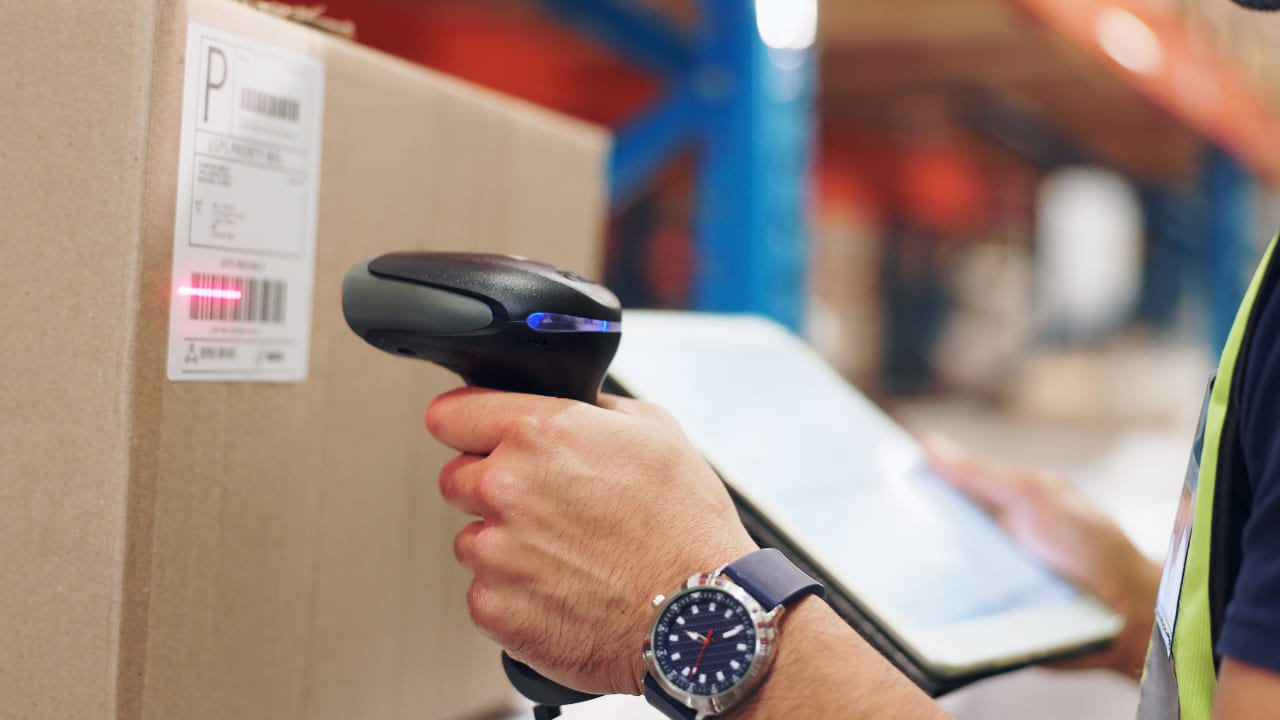
Picking is one of the most effort-intensive process steps in many warehouses. Order pickers directly influence delivery quality, since errors in item, quantity, or variant can lead straight to complaints, returns, or production downtime. At the same time, walking paths, grasping times, order bundling, and workstation ergonomics noticeably affect productivity.
In E-Commerce, order pickers are particularly affected by high order volumes, small shipment sizes, and fluctuating demand. Process design is often built around short cut-off times, multichannel fulfillment (e.g. marketplaces, own shop, store delivery), and a high variety of product variants. In this environment, clear item identification, fast information delivery, and a clean handover to packaging and shipping are key factors for maintaining service levels.
In retail and manufacturing, the role also depends on the packaging and transport unit. For pallet-level picking, the stability of the load unit and efficient stacking are key, while for piece picking, aspects like tote handling, consolidation, and sorting by tour or carrier become more important. In temperature-controlled areas (e.g. cold chain), additional conditions apply that shape workflows, layout, and time windows.
Order picking: Process of gathering items from warehouse stock for an order or demand.
Discover a variety of technical terms and in-depth explanations in our Zenfulfillment logistics lexicon.
Regardless of whether you are looking for the basic definitions of familiar terms or are interested in detailed explanations of complex topics — our logistics lexicon provides you with comprehensive information to help you To better understand the world of logistics and e-commerce.
Be inspired by practical examples, learn about new trends and discover helpful tips that will help you to continuously expand your knowledge in the logistics industry and stay up to date.


