
Package tracking (also called tracking or track-and-trace) describes the systematic capture and delivery of information about a shipment's current status and location during its transport and delivery process. The foundation is a unique identifier for each shipment, usually a tracking number, barcode, or RFID tag. At defined points in time or process events, status data is captured and transmitted to IT systems so the shipment's progress can be reconstructed and continuously updated.
In a logistics context, package tracking is part of the transparency and quality requirements along the supply chain. It links physical goods movements with digital process data and supports the management of transport chains. Package tracking is used in parcel and courier services as well as in less-than-truckload, freight forwarding, and to some extent freight operations — with the level of detail, update frequency, and data sources varying by network and service level.
The information provided typically ranges from shipment acceptance through sorting and handling events to delivery or handover to the next transport stage. Package tracking can be implemented as a simple status display or as a more comprehensive track-and-trace concept that also covers event logs, identity checks, time windows, and exception handling.
Package tracking is based on a sequence of standardized process events, which in practice are organized as scan or reporting points. These events occur, for example, at acceptance, in sorting centers, during loading, on arrival at depots, or at delivery. The data is often captured via handheld scanners, stationary scanning portals, mobile delivery devices, or automated conveyor and sorting systems. In some scenarios, sensors and telematics (e.g. GPS data from vehicles) supplement traditional event capture.
Key features of package tracking include the uniqueness of the identifier, the standardization of status updates, and the availability of the data through internal systems or customer-facing interfaces. Technically, status information is usually collected in transport management or parcel network systems and delivered via portals, APIs, or notification systems. Depending on the provider and product, delivery options and recipient data (e.g. drop-off instructions, redirection to a pickup location) may appear as additional events in the timeline, provided data protection and security rules allow it.
Typical use cases include:
The value of package tracking depends on factors like scan coverage, data quality, sync times, and the integration of external partners. In multi-stage transport chains, information gaps can appear when individual legs aren't fed into the shared tracking — or arrive only with a delay. Status updates are also generally event-based; without an event, no new information is generated, even if the shipment is physically moving.
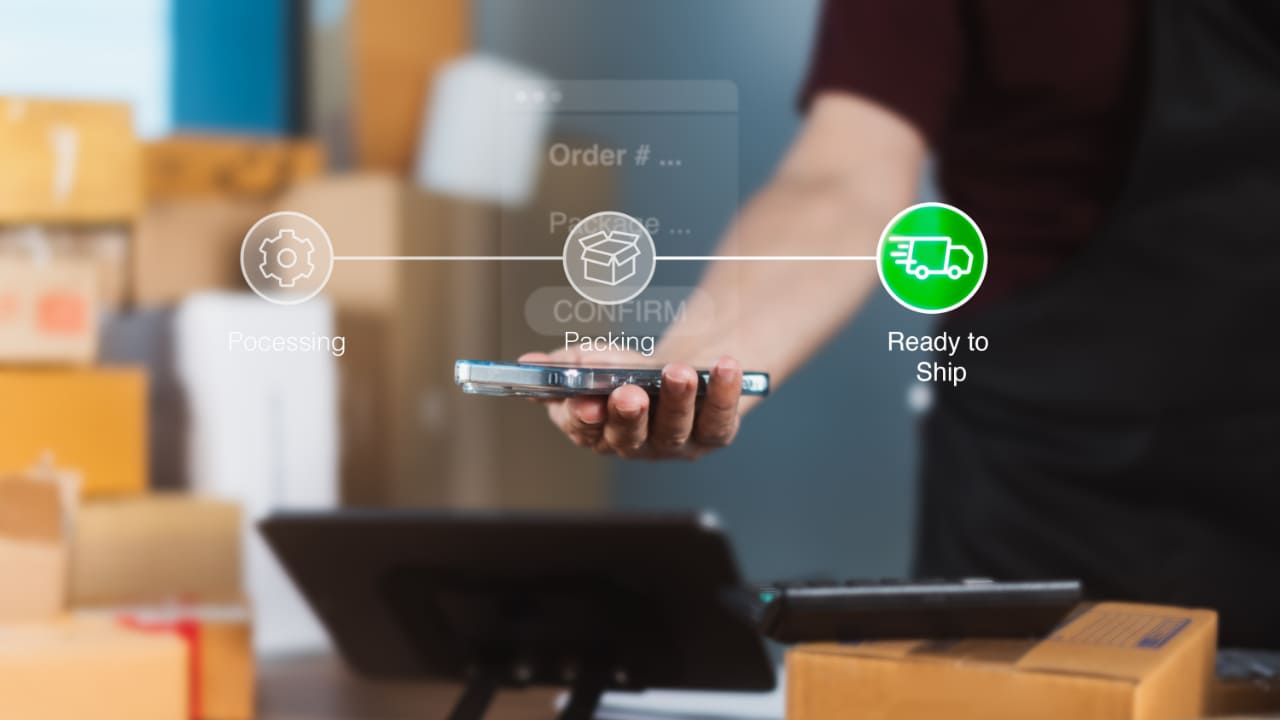
Package tracking has become a key element of operational management and customer communication. In logistics, it supports process control through traceable event chains: deviations like misroutings, delays, or failed deliveries become visible faster because the last recorded status gives you a starting point for investigation. That makes it easier to handle complaints, coordinate between handling and delivery teams, and work with partners across multi-leg networks.
In E-Commerce, package tracking is closely tied to delivery transparency expectations. Status data is often used in customer accounts, shipping confirmations, and service workflows to cut down on questions and make delivery more predictable. Tracking information is also relevant for returns: return shipments can be tracked just like outbound packages, which helps with sorting at goods receipt and supports refunds or restocking.
On a strategic level, package tracking serves as a data foundation for KPIs and continuous improvement. Scan events can be used to derive transit times, dwell times per hub, delivery rates, or the frequency of specific exception events. Limitations come up particularly when status updates are defined inconsistently, events are captured manually, or system boundaries between carrier, fulfillment provider, and retailer cause data breaks. When sharing tracking data, you also need to consider data protection and security — especially for personal delivery information or shipments with a higher theft risk.
Track-and-Trace: Umbrella term for end-to-end tracking and retrospective traceability of shipments based on event data.
Tracking number: Unique identifier used to recognize a shipment in the system and retrieve its status history.
Status update / tracking event: Standardized information about a process event, e.g. "accepted," "at parcel center," "out for delivery," "delivered."
Proof of Delivery (POD): Delivery confirmation that documents successful handover — for example, through a signature, photo, or digital confirmation.
Transport Management System (TMS): IT system for planning, executing, and monitoring transports — often a source or integration point for tracking data.
Last Mile: The final stretch of transport to the recipient, where many tracking and delivery events occur.
Returns Logistics: Processes and systems for handling return shipments, often with their own tracking flow and states.
Discover a variety of technical terms and in-depth explanations in our Zenfulfillment logistics lexicon.
Regardless of whether you are looking for the basic definitions of familiar terms or are interested in detailed explanations of complex topics — our logistics lexicon provides you with comprehensive information to help you To better understand the world of logistics and e-commerce.
Be inspired by practical examples, learn about new trends and discover helpful tips that will help you to continuously expand your knowledge in the logistics industry and stay up to date.


