Retail refers to the sale of goods, and in part services, to end consumers. Unlike wholesale and industry, the focus is on selling in relatively small quantities, with broad assortments, and at the immediate interface to consumption. Retail is therefore a central component of value chains, because it bundles demand, translates it into purchase decisions, and shapes outcomes through availability, pricing, and shopping experience.
The term covers brick-and-mortar retail (e.g., supermarkets, specialty stores, boutiques), online retail (e-commerce), and omnichannel retail, where multiple channels are tightly linked. In many industries, retail is also shaped by a clear division of roles: manufacturers produce, wholesalers consolidate, retailers showcase and sell to end customers. In practice, these roles often overlap — for example, when manufacturers sell direct or retailers build their own private labels.
Retail is often described from the point of sale (POS) perspective — the place or moment of the buying decision. In a physical setting, that's the store; in a digital setting, the shop or app interface. Both pursue the same goal of serving demand efficiently, but they differ markedly in information flow, inventory management, delivery options, and returns logic.
Typical features of retail are high transaction volumes, a strong dependency on availability (avoiding out-of-stock), and intense competition on price, assortment, and delivery speed. Add to that short product life cycles in many categories, seasonal peaks, and regional differences in demand and basket composition. The result is special complexity in planning and operational steering.
Structurally, retail can be described by store format (e.g., discounter, full-range supermarket, specialty retailer), assortment depth (broad vs. specialized), and channel (in-store, online, hybrid). While grocery retail is often dominated by high turnover and standardized processes, fashion, electronics, or home & living are more shaped by variant variety, promotion management, and return rates.
Retail spans virtually all industries. These include consumer goods, food, DIY/hardware, cosmetics, pharma-adjacent assortments, and durable goods. Even B2B-style models can show retail-like structures when many small orders, standardized products, and short lead times are central. Overall, retail is a demand driver that strongly shapes requirements for packaging, picking, inventory accuracy, data quality, and service levels.
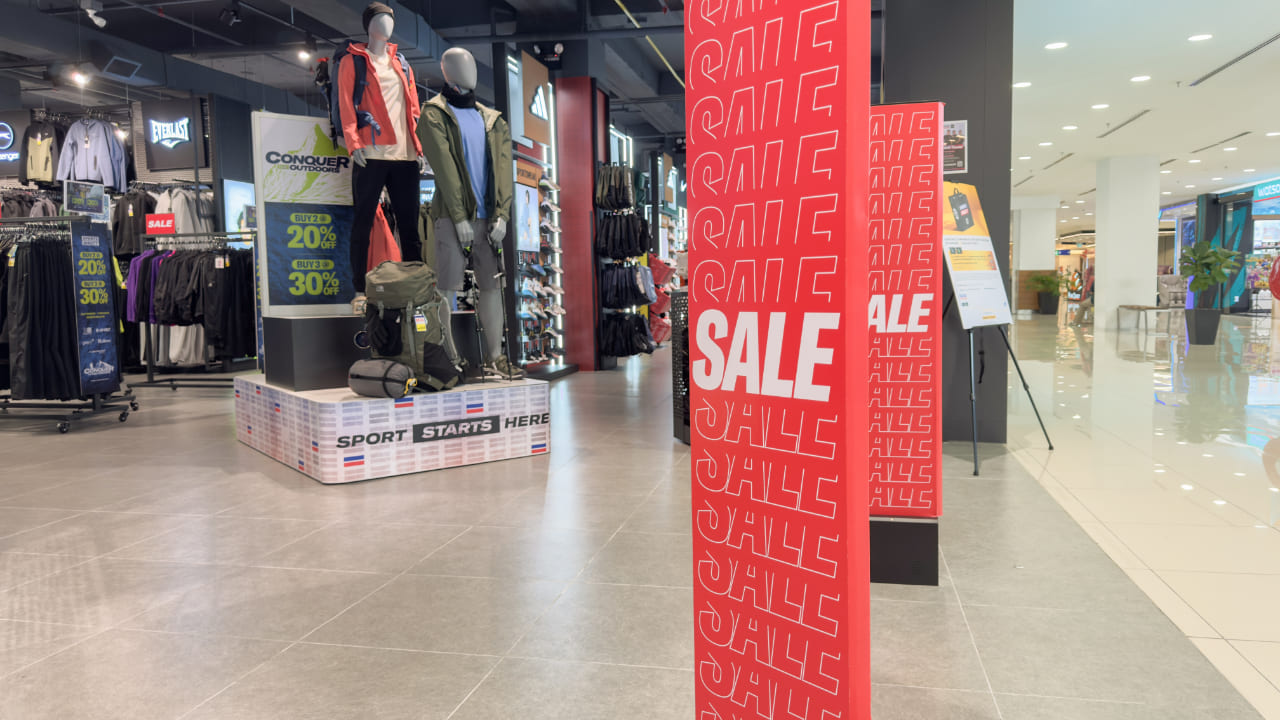
For logistics and shipping, retail is especially relevant because it heavily shapes supply chain requirements: short response times, high item and order volumes, fluctuating demand, and the expectation of high product availability. In brick-and-mortar retail, the focus is on store replenishment. Stores are supplied regularly from central warehouses, regional warehouses, or via cross-docking. Reliable delivery windows, standardized load carriers, stable route planning, and a low error rate in store picking are critical here.
In online retail, the focus shifts to single-order fulfillment (pick & pack), short cut-off times, and capable shipping and returns processing. E-commerce typically increases the number of shipments, lowers the average order size, and raises the importance of parcel networks, labeling processes, tracking, and customer-friendly delivery options. Omnichannel models combine both worlds and create extra requirements — such as ship-from-store, click & collect, or cross-channel inventory use.
From a logistics standpoint, retail is closely tied to inventory management and handling peaks. Promotions, seasonal goods, and short-term trends can drive demand sharply higher. At the same time, warehouse and shelf space is limited, which calls for precise replenishment planning. Mistakes hit hard: stock-outs cause lost sales, while overstock ties up capital and increases markdowns. In shipping, additional quality criteria come into play — shipment-safe packaging, correct documents, and an efficient returns inspection. That makes retail a field where processes, data, and physical flows of goods need to be especially tightly aligned.
Discover a variety of technical terms and in-depth explanations in our Zenfulfillment logistics lexicon.
Regardless of whether you are looking for the basic definitions of familiar terms or are interested in detailed explanations of complex topics — our logistics lexicon provides you with comprehensive information to help you To better understand the world of logistics and e-commerce.
Be inspired by practical examples, learn about new trends and discover helpful tips that will help you to continuously expand your knowledge in the logistics industry and stay up to date.


