
The new EU Packaging Regulation (PPWR) brings major changes for online shops. Find out what applies from 2026 and how to prepare.



This article is a guest post by ecosistant, the digital consulting platform for recycling compliance in Europe.
The new EU Packaging Regulation, officially called the "Packaging & Packaging Waste Regulation" or PPWR for short, is here. From August 2026, its requirements will be binding across all EU member states. For online shops, that means new packaging rules, stricter recycling requirements, and expanded registration obligations. Sounds like a lot of paperwork? It is, but with the right preparation, it's manageable.
In this article, you'll learn what the Packaging Regulation for online shops means and how you can start preparing today.
The PPWR took effect on February 11, 2025. Unlike the previous packaging directive, an EU regulation is directly binding in all member states. That said, some national differences remain. In areas like extended producer responsibility, there's still room for individual interpretation. For example, there's no EU-wide producer registry and no unified EU deadlines for volume reporting. Member states can also set their own rules around penalties.
The goal of the regulation is clear: packaging waste in the EU is to be reduced by at least 15% by 2040.
For online sellers, the PPWR mainly means:
All shipping packaging must minimize harmful substances and be designed to be recyclable. From 2030, only packaging with at least 70% recyclability (classes A to C) will be allowed.
Especially relevant for online shops is the new rule on empty space ratios. Outer packaging, transport packaging, and E-Commerce packaging may contain a maximum of 50% filler material. Packaging should be as small and light as possible overall.
From August 2028, an EU-wide labeling requirement will apply, with pictograms for ingredients and disposal. This makes it easier for consumers to recycle correctly and provides clarity for online sellers.
The biggest sticking point is the obligation to appoint an authorized representative. If you ship to an EU country where you don't have a local entity, you have to appoint an authorized representative for extended producer responsibility there and register through them.
Extended Producer Responsibility (EPR) means companies have to take responsibility for the packaging they put on the market. That includes registering in the relevant national producer registries, regularly reporting the volumes of packaging waste generated, and paying EPR fees for collection and recycling. Volume reporting continues as before — the difference is that, in countries where you don't have your own entity, you now have to register and report through an authorized representative.
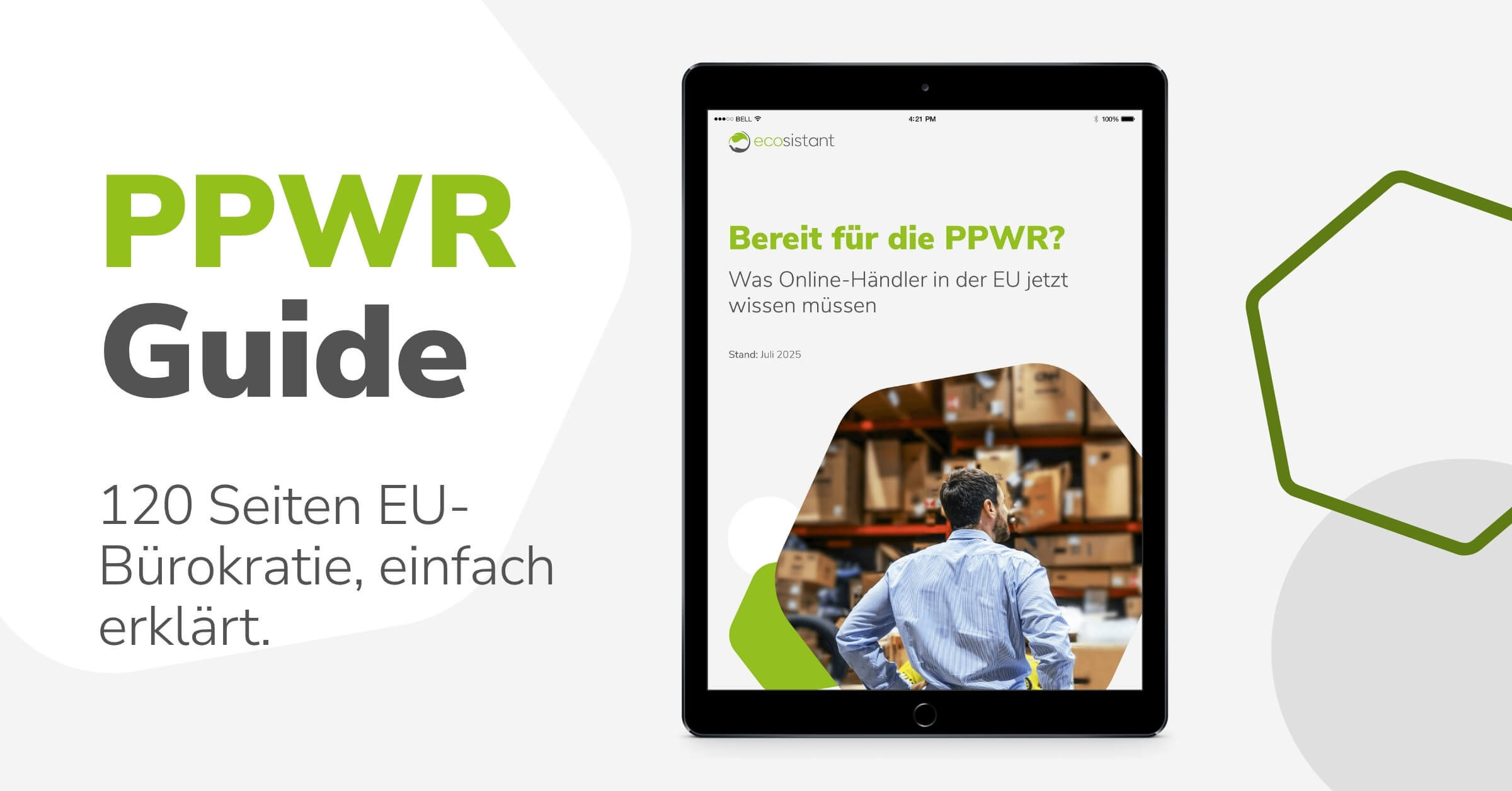
For all the details on the new registration requirements, plus a timeline and a practical checklist, check out the free PPWR guide from ecosistant, which you can download here.
To meet growing accessibility expectations, online shops can integrate AI Text-to-Speech or an AI Voice Generator to make product information, packaging details, and recycling instructions more inclusive. This ensures that visually impaired customers, or customers who prefer audio content, can easily access important information about compliance and disposal.
The PPWR explained simply in a video
Many sellers are critical of the authorized representative obligation. Smaller companies in particular face high costs if they have to appoint a representative in every EU destination country. The good news is that there are specialized service providers who can take this on across Europe. That can significantly reduce administrative effort.
Bottom line: preparing now pays off
The Packaging Regulation for online shops brings new challenges, but also a chance to operate more sustainably. The authorized representative obligation in every EU country where you don't have your own entity will be a complex task for many online sellers. If you tackle it now, you can optimize packaging early, adjust your processes, and sort out registrations. That makes the transition in August 2026 much smoother. International sellers in particular benefit from getting familiar with the new requirements early and making the necessary adjustments in time.
Svenja is Marketing Content & Design Creator at ecosistant. Together with her team, she develops practical content on EPR compliance for online sellers worldwide. ecosistant is your partner for Extended Producer Responsibility (EPR) in Europe. The company helps E-Commerce sellers meet their EPR obligations for packaging, electronics, batteries, and other waste streams across Europe. Digital, efficient, and tailored to each individual market.

.png)

