
The EORI number (Economic Operators Registration and Identification) is an identification number used in the European Union for economic operators that interact with customs authorities. Its purpose is to uniquely register companies and certain other actors in customs procedures, so that customs operations stay traceable, legally sound, and clearly attributable in the underlying systems.
In a customs context, the EORI number works similarly to a "customer number" with the customs administration, but with EU-wide validity. It's used when transmitting and processing customs declarations as well as in other customs-related message formats. That makes it a backbone for standardized communication between companies, logistics providers, and authorities inside customs IT systems.
Unlike purely national tax numbers or VAT identification numbers, the EORI is geared specifically toward customs processes. It's not a tax ID and doesn't replace any VAT registration. Its role is identification in foreign trade, especially for shipments that cross customs-territory borders or fall under customs procedures.
An EORI number is unique across the EU and is generally tied to a single legal entity. In many member states it starts with a country prefix (e.g., "DE"), followed by a nationally defined sequence of digits or characters. The exact format can vary by issuing authority and national scheme but stays usable as a uniform identifier across EU systems.
Its central characteristics are the permanent assignment to a participant, use in electronic customs procedures, and reusability across multiple customs operations. The number is typically carried in the data records sent to customs authorities — for instance as part of import or export declarations. It can also appear in accompanying documents and data-exchange formats that name parties such as the declarant, exporter, consignee, or representative.
Typical use cases come up wherever customs authorities require unique identification. In particular:
Import: Processing customs declarations and assigning responsibilities in import flows.
Export: Identifying parties in export declarations and customs export procedures.
Customs Representation: Mapping direct or indirect representation arrangements in which service providers act on behalf of a company.
IT-Driven Customs Communication: Use in electronic messages and systems for plausibility checks and party assignment.
In practice, the EORI number is therefore a key attribute for uniquely identifying actors in goods movement, processing data consistently, and securing process chains in international shipping and logistics on the customs side.
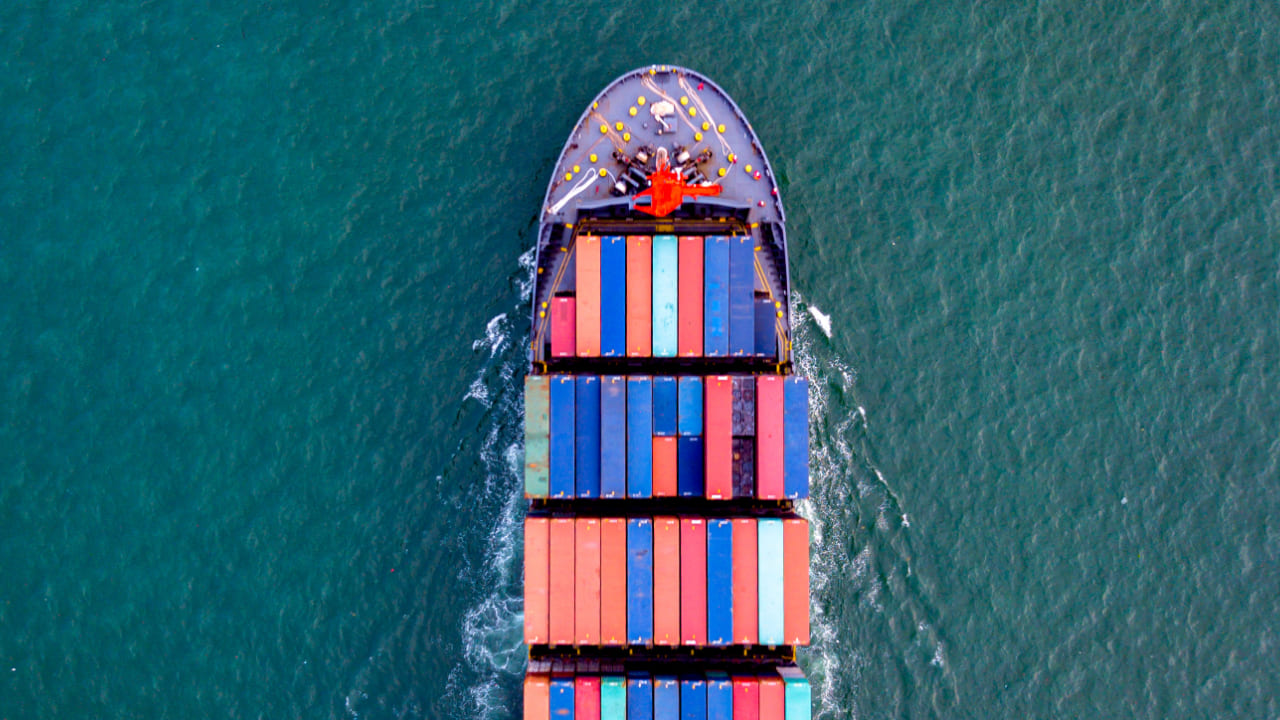
In logistics and E-Commerce, the EORI number matters mainly because cross-border goods movements regularly trigger customs steps. As soon as goods are imported or exported and a customs declaration is required, an unambiguously identifiable party typically has to be named. The EORI number enables that clear assignment in the standardized data flows exchanged between shipping platforms, freight-forwarder systems, carriers, and customs IT.
The number works as a stable identifier across multiple process stages — from order capture and creating customs-relevant data records to transmission and processing by authorities. Operationally, it matters most where several parties work together: senders, recipients, fulfillment providers, freight forwarders, or customs agents. Clearly tagging the responsible economic operator reduces back-and-forth, assignment errors, and systemic inconsistencies.
In structured shipping and fulfillment setups (e.g., central warehouse locations with international distribution), the EORI also plays a role because customs processes are often recurring and data-driven. In those environments, the EORI number is typically maintained as master data and carried into different document and data types, such as customs-declaration data or customs-adjacent accompanying information. Relevance grows with the number of international shipments, the number of providers involved, and the complexity of the customs procedures used.
For the quality of customs and shipping data, it's critical that the EORI number is correctly assigned. Wrong or missing identification details can cause delays in official processing, because participant roles can't be clearly validated or additional information has to be requested. In data-driven supply chains, the EORI is therefore an essential element for formal identification — but not a substitute for other mandatory details like product description, commodity code, or value declaration.
Customs Declaration: Electronic or written notification of goods to the customs authority for import, export, or special procedures; includes details on goods, value, and parties involved.
Economic Operator: A legal entity or person that acts as a responsible or involved party in customs procedures — for example as importer, exporter, or representative.
Customs Representation (Direct/Indirect): An arrangement in which a representative handles customs formalities for another party; the participant roles and liability differ depending on the type of representation.
VAT Identification Number (VAT ID): A tax identification number for intra-Community supplies and services; not the same as the EORI number.
Commodity Code (HS/CN Code): A classification code for the customs-tariff classification of goods; the basis for duties, restrictions, and statistics.
Incoterms: International trade terms that describe how costs, risk, and obligations are split between buyer and seller; they often influence who acts as a customs party.
Discover a variety of technical terms and in-depth explanations in our Zenfulfillment logistics lexicon.
Regardless of whether you are looking for the basic definitions of familiar terms or are interested in detailed explanations of complex topics — our logistics lexicon provides you with comprehensive information to help you To better understand the world of logistics and e-commerce.
Be inspired by practical examples, learn about new trends and discover helpful tips that will help you to continuously expand your knowledge in the logistics industry and stay up to date.


