We take a close look at 6 fulfillment providers in Germany. Find the right partner for your growth ambitions.
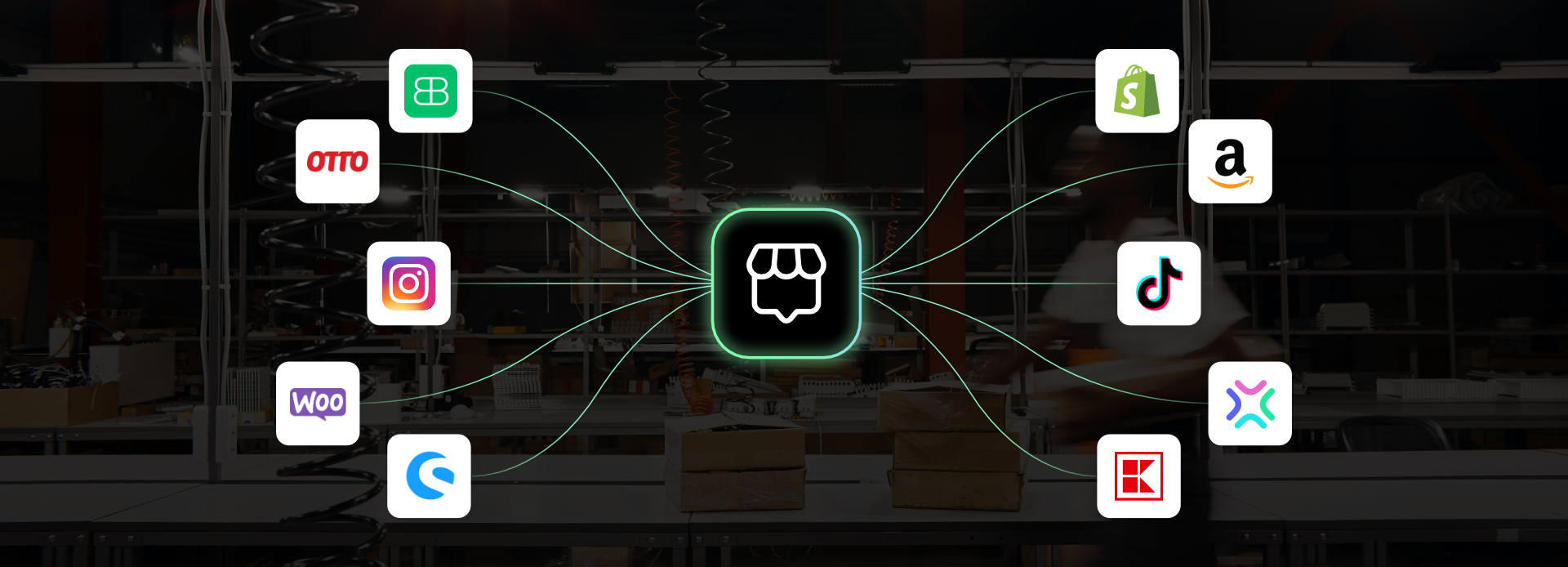


Omnichannel retailers in Germany face a very specific challenge: orders from their own shop, Amazon, Zalando, and other marketplaces all need to be fulfilled reliably, quickly, and cost-effectively. The right fulfillment provider determines your delivery speed, shipping costs, and customer satisfaction.
Zenfulfillment gives you, as an omnichannel retailer, a central platform that automatically processes orders from all your sales channels and delivers next-day across Germany. In this comparison, we introduce six fulfillment providers that matter for the German market and show you what to look for when choosing one.
For our evaluation, we focused on the criteria that really matter for omnichannel retailers in Germany. You sell across several channels at once, and your fulfillment partner needs to be able to handle that.
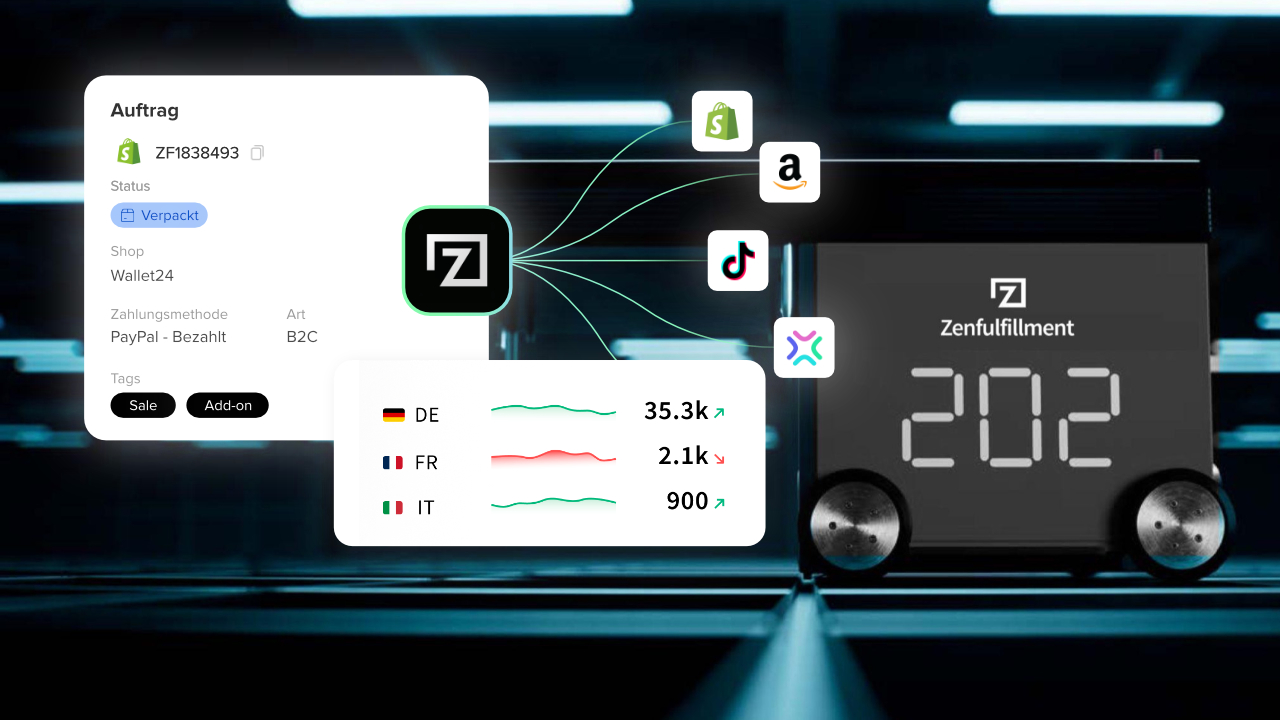
Zenfulfillment is a Berlin-based fulfillment provider specializing in automated ecommerce logistics for the German market. More than 500 brands and retailers already rely on the Zenfulfillment network. With the in-house Zenrush system, end customers in Germany reliably receive their orders the next day.
Zenfulfillment syncs orders from Shopify, WooCommerce, Amazon, Zalando, and other channels in real time. The ZenOS dashboard gives you full control over orders, inventory, and returns. The system validates addresses automatically to reduce failed deliveries.
Zenfulfillment's fulfillment centers offer more than 200,000 square meters of state-of-the-art logistics space. More than 30 million items are shipped every year. The multi-carrier network includes DHL, GLS, UPS, and other carriers, so you can optimize your shipping costs.
Pros:
Cons:
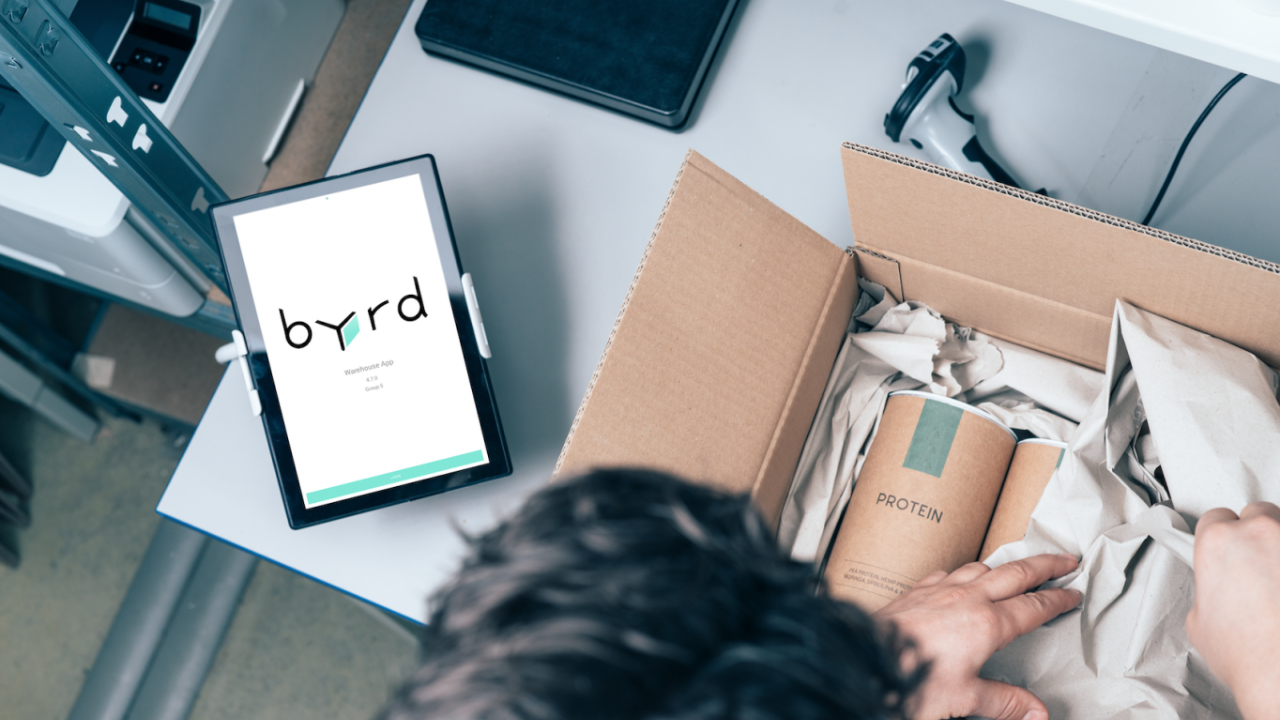
Byrd runs a Europe-wide fulfillment network with locations in Germany, Austria, France, and other markets. The platform offers connections to Shopify, WooCommerce, and other ecommerce platforms. Merchants can manage orders through a central dashboard and coordinate shipping processes across different warehouses.
However, Byrd relies on third-party middleware for some integrations, which can slow down the data flow between marketplaces and the fulfillment system. The depth of its marketplace integration, for example for Zalando or OTTO, is also lower than that of specialized providers.
Pros:
Cons:
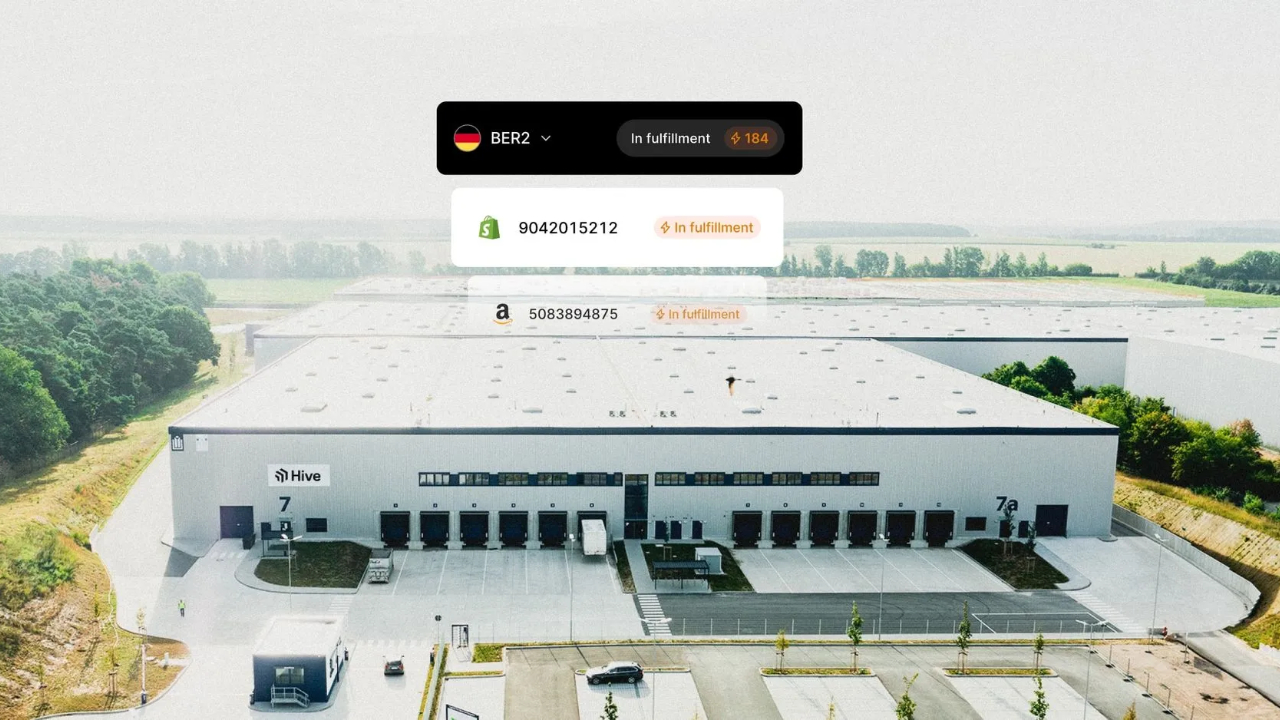
Hive has locations in Berlin and Paris and targets DTC brands looking for fulfillment and technology from a single source. The platform includes integrations with Shopify, WooCommerce, and other ecommerce platforms. Hive offers its own dashboard where merchants manage orders, inventory, and returns.
The DTC focus does mean, however, that marketplace connections for Amazon, Zalando, and OTTO are less developed than with providers that specialize explicitly in omnichannel retail.
Pros:
Cons:
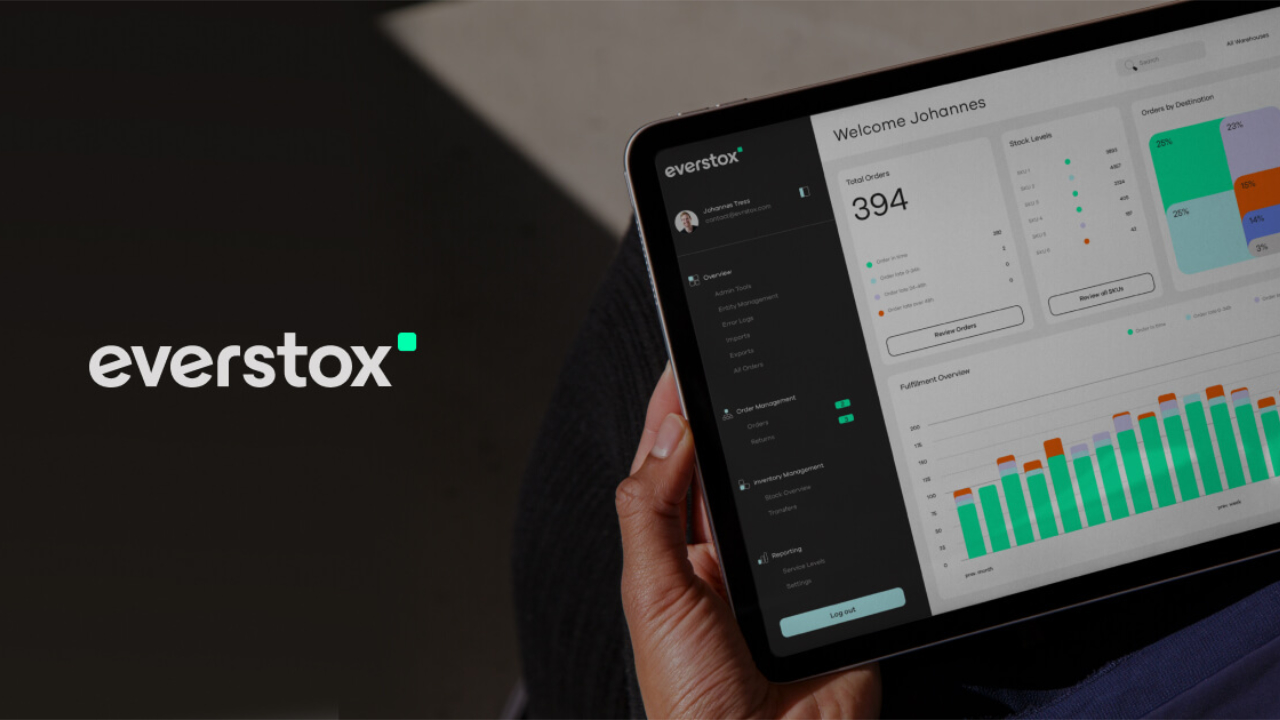
Everstox offers a cloud-based platform that connects merchants with a network of 3PL providers across Europe. Instead of running its own warehouses, Everstox orchestrates existing fulfillment partners. The platform lets you consolidate orders from different channels and distribute them across multiple warehouse locations.
This orchestration approach brings flexibility, but service quality depends on the individual 3PL partner. As a result, direct control over warehouse operations is limited.
Pros:
Cons:
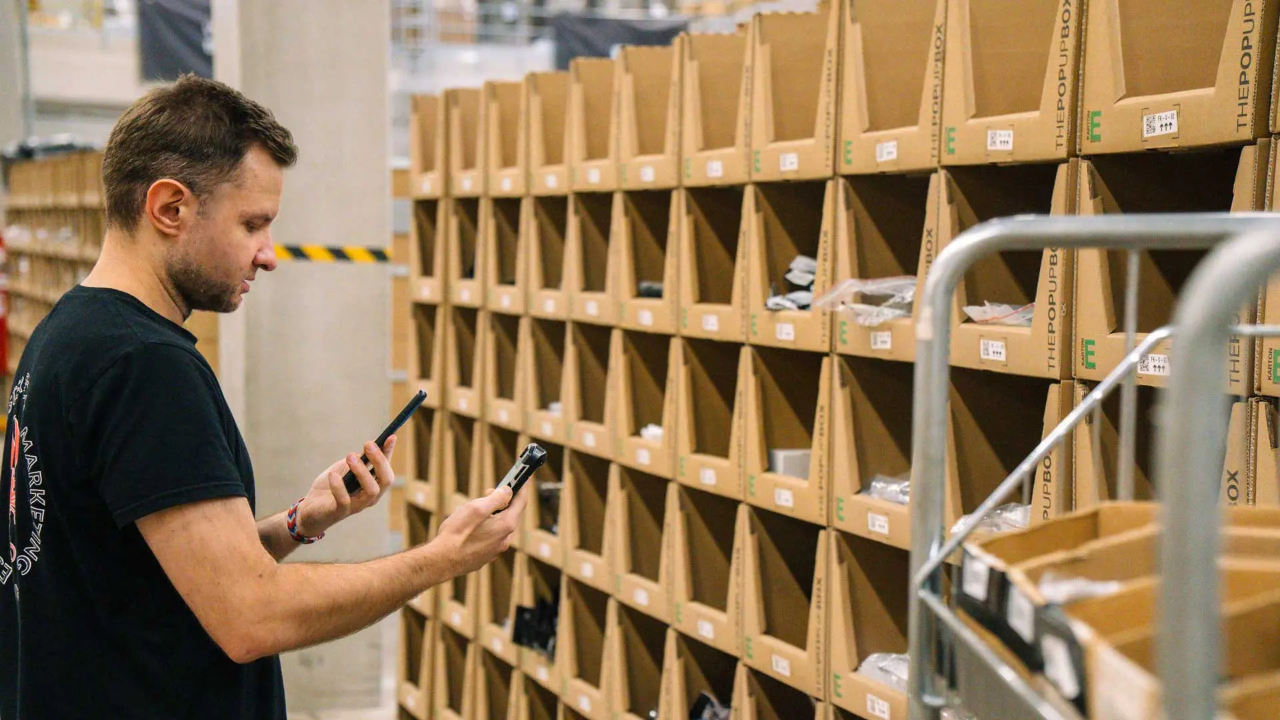
Quivo runs warehouse locations in Germany, Austria, and Switzerland and targets online retailers serving the DACH market. The platform offers connections to ecommerce platforms and handles shipping through regional carriers. Quivo also takes care of returns processing for the DACH region.
This regional specialization can be an advantage if you operate exclusively in the DACH region. For merchants with international ambitions, however, it lacks European or global coverage.
Pros:
Cons:
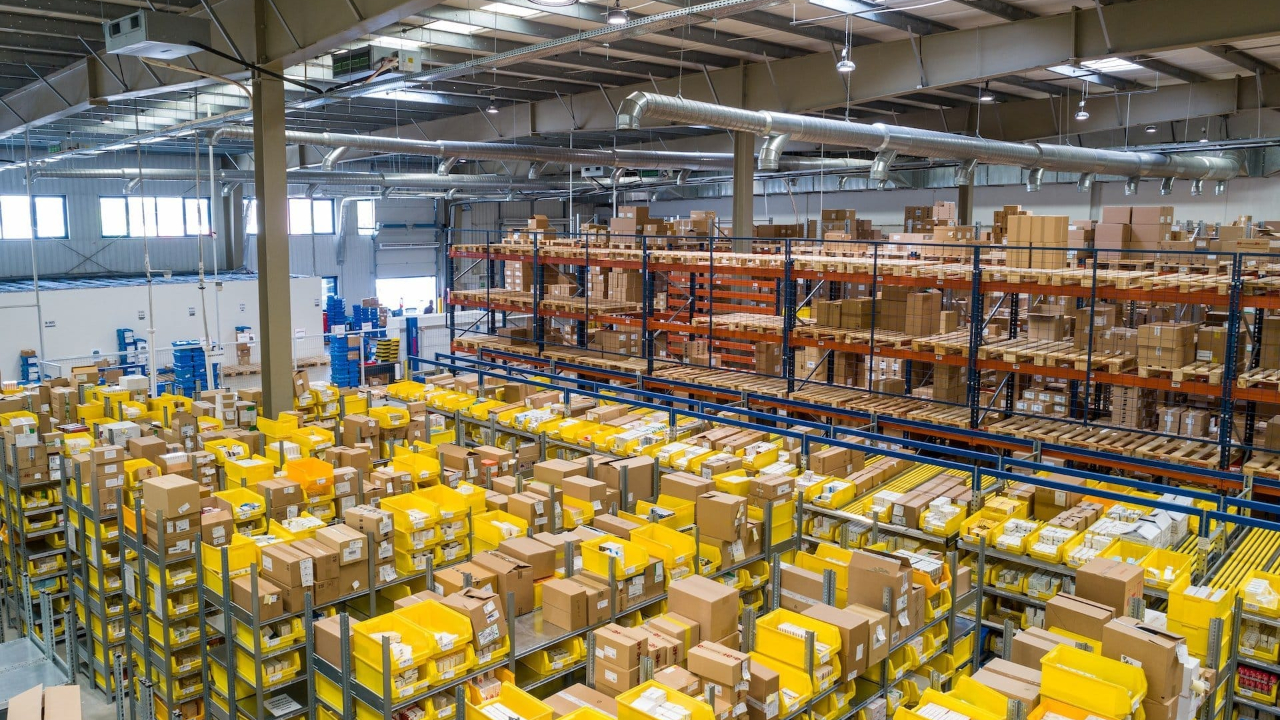
ShipBob is a US-based 3PL provider with a global network of fulfillment centers, including European locations. The platform integrates with Shopify, BigCommerce, WooCommerce, Amazon, and other channels. ShipBob offers multichannel fulfillment with central inventory management.
For merchants focused on Germany, keep in mind that ShipBob's European infrastructure is less dense than that of providers specializing in the German market. Next-day delivery within Germany isn't available as standard.
Pros:
Cons:
| Provider | Next-day delivery in Germany | Marketplace integration | Automated returns |
|---|---|---|---|
| Zenfulfillment | Yes | Amazon, Zalando, OTTO, Shopify, WooCommerce | Yes (with ABC classification) |
| Byrd | No | Shopify, WooCommerce, Magento | Yes (basic) |
| Hive | No | Shopify, WooCommerce | Yes (basic) |
| Everstox | No | Shopify, WooCommerce (via API) | Depends on partner |
| Quivo | No | Ecommerce platforms (DACH focus) | Yes (regional) |
| ShipBob | No | Shopify, Amazon, BigCommerce, WooCommerce | Yes (basic) |
Choosing the right fulfillment partner depends on your sales channels, your order volume, and your delivery promises. Before you decide, you should answer three core questions.
First: Which marketplaces and ecommerce platforms do you use? If you sell through Amazon, Zalando, and your own shop, you need a provider with native integrations for those platforms. A middleware solution can work, but it adds complexity and potential data delays.
Second: How important is delivery speed to you? In the German market, next-day delivery is becoming increasingly decisive. According to a 2025 study by the International Post Corporation (IPC), more than 40 percent of German online shoppers expect next-day delivery. A fulfillment partner with guaranteed next-day delivery can directly influence your conversion rate.
Third: What does your returns volume look like? Especially in fashion and consumer goods, return costs can quickly make up a significant share of operating costs. Automated returns management saves time and reduces support effort.
A good marketplace integration goes beyond simply transferring orders. It syncs inventory data in real time, so overselling is avoided. Order changes, cancellations, and address updates are automatically reconciled between the marketplace and the fulfillment system.
For omnichannel retailers in Germany, integrations with Amazon, Zalando, and OTTO are especially relevant. Zenfulfillment offers native connections to these marketplaces and automatically syncs orders with your Shopify store or other connected systems.
Check whether the provider also sends tracking data back to the marketplace. Marketplaces like Amazon require tracking uploads within tight time windows, and delays can lead to warnings or account suspensions.
Zenfulfillment combines three factors that are critical for omnichannel retailers in Germany: next-day delivery as standard, deep marketplace integrations, and fully automated processes. That sets Zenfulfillment apart from providers that are either regionally limited, less deeply integrated on the tech side, or primarily focused on international markets.
Zenfulfillment turns your supply chain into the foundation for a first-class customer experience. With a delivery prediction that shows the exact delivery date at checkout, cart abandonment and support requests drop measurably. More than 500 brands already rely on this system, and the combination of automation, a multi-carrier network, and personal service from the fulfillment center makes Zenfulfillment the go-to partner for growing online retailers.
Bottom line: If you're an omnichannel retailer in Germany and want to deliver faster, cut shipping costs, and automate your fulfillment processes, Zenfulfillment is the right choice. Request your custom quote now and start shipping within just a few days.
Omnichannel fulfillment means that orders from different sales channels, such as your own shop, Amazon, Zalando, or OTTO, are handled through one central fulfillment process. Zenfulfillment syncs all channels automatically and makes sure inventory data is updated in real time.
That depends on the provider. Zenfulfillment offers native integrations with Amazon, Zalando, OTTO, Shopify, WooCommerce, and other platforms. Other providers often only cover ecommerce platforms and need additional middleware for marketplaces.
Delivery speed varies widely. With Zenrush, Zenfulfillment delivers next-day across Germany for orders placed by 6:45 pm. Other providers usually work with standard transit times of two to four business days.
At Zenfulfillment, returns are logged automatically and processed using ABC classification. That means goods are inspected and, depending on their condition, restocked, refurbished, or disposed of. The returns dashboard keeps you in the loop and lets you analyze return reasons to optimize your product range.
Once you're processing orders regularly and shipping, warehousing, and returns are tying up operational capacity, outsourcing can make sense. Zenfulfillment offers scalable solutions that grow with your business, so you can focus on product development and marketing.