In-house fulfillment gives you full control, but it ties up time, staff, and fixed costs you need for growth. In this article, we compare the pros and cons of outsourcing fulfillment vs. running your own warehouse.
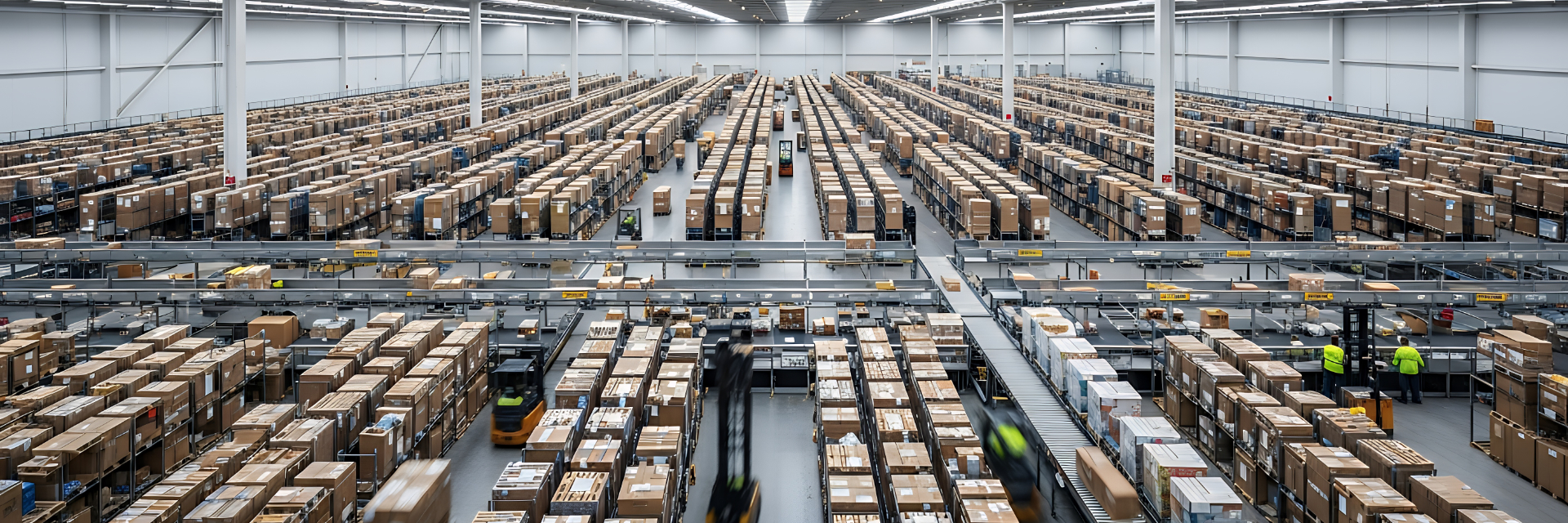


As your ecommerce business grows, you'll eventually face a key question: keep shipping orders yourself from your own warehouse, or hand them to an external fulfillment provider? Both models have clear strengths, but they also come with operational consequences that directly affect your day-to-day business.
In this article, we'll show you which criteria really matter when deciding between in-house fulfillment and an external fulfillment provider. You'll get a structured comparison across costs, scalability, shipping speed, returns management, and technology, so you can find the right fit for your business model.
With in-house fulfillment, you handle every logistics process yourself: warehousing, picking, packing, shipping, and returns processing. You build your own warehouse infrastructure, hire staff, and run every step of your ecommerce logistics on your own.
An external fulfillment provider (3PL) handles physical order processing on your behalf. You send your goods to the fulfillment center, and the provider stores, picks, packs, and ships every order automatically. Returns are handled professionally, too.
In-house fulfillment requires a high upfront investment: warehouse space, shelving systems, packing machines, and IT infrastructure. On top of that come ongoing staff costs, even in slow months. According to the EHI study on shipping and returns management 2025, data-driven optimization along the logistics chain is increasingly becoming a competitive differentiator. Professional e-fulfillment can save up to 30 percent in costs compared to in-house solutions.
A fulfillment provider like Zenfulfillment turns these fixed costs into variable expenses. You pay per order, per storage location, and per shipment. Thanks to the pooled shipping volume of more than 500 merchants, Zenfulfillment secures better carrier rates and passes them directly on to you.
Seasonal swings are the norm in ecommerce. During Black Friday or Christmas, your order volume can multiply. Your own warehouse quickly hits its limits, because you can't add space and staff at short notice.
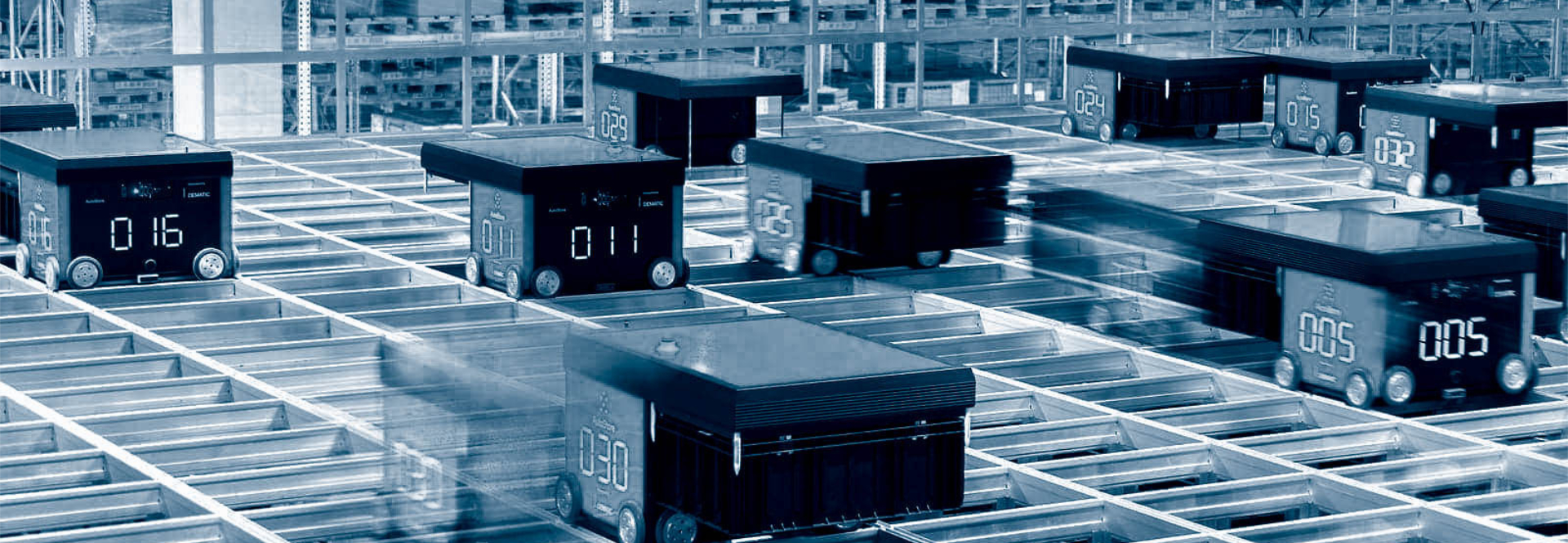
Zenfulfillment operates more than 200,000 square meters of modern fulfillment centers and scales capacity dynamically with your volume. The in-house system ZenOS prioritizes incoming orders in real time and automates picking and shipping.
In German ecommerce, fast delivery is no longer a bonus. It's an expectation. With your own warehouse, you can only offer reliable next-day delivery if you secure a late cut-off, optimized carrier connections, and enough staff for same-day dispatch.
Zenfulfillment solves this with Zenrush: orders placed by 6:45 pm are delivered the next day anywhere in Germany. Smart carrier allocation within the multi-carrier network optimizes transit times and shipping costs at the same time. The result: measurably higher conversion rates and more repeat purchases.
Returns are unavoidable in ecommerce, especially in categories like fashion or accessories. With in-house fulfillment, you have to log, inspect, and restock every return yourself. That ties up staff and slows down the resale of returned items.
Zenfulfillment offers structured returns management with ABC classification and a branded returns portal. Your customers receive return labels automatically, and returned items are quickly inspected and made available again. That reduces your support workload and shortens the time to resale.
Without real-time data, you're flying blind. Many in-house warehouses still work with Excel lists or outdated WMS systems that don't sync live with your ecommerce platform. That leads to stock discrepancies, overselling, and unhappy customers.
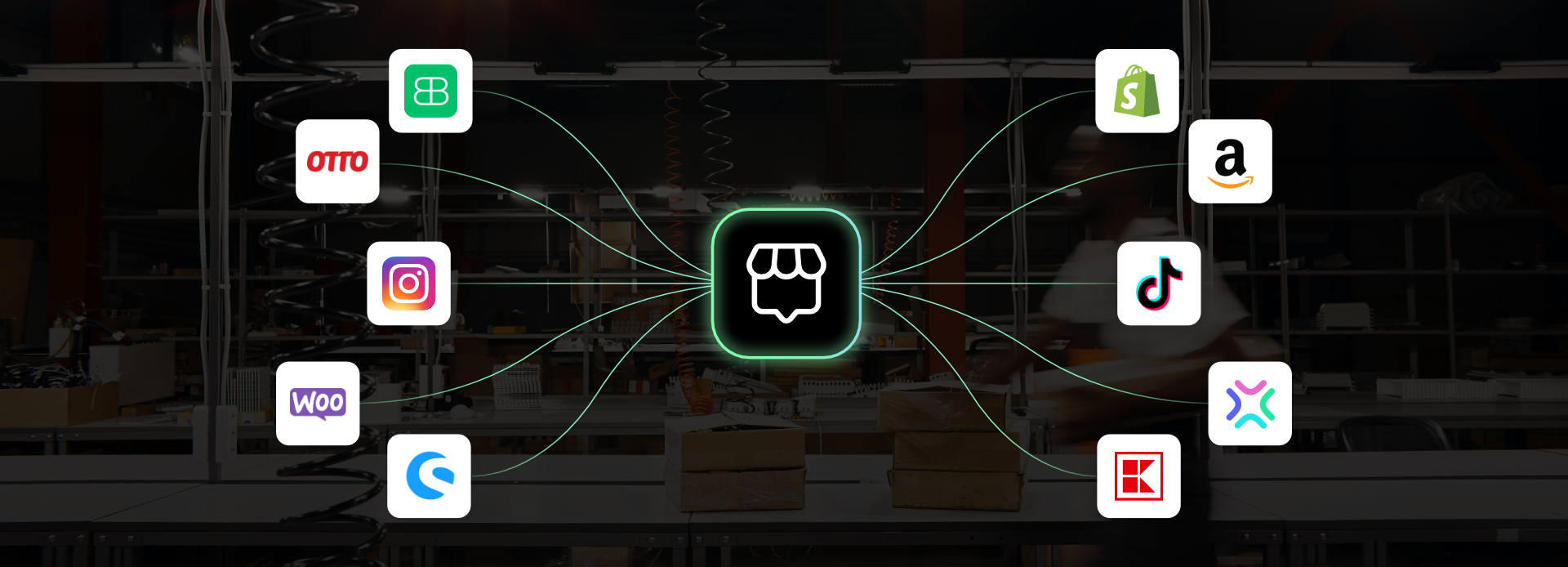
Zenfulfillment's ZenOS syncs inventory, orders, and shipping processes in real time across all sales channels. From Shopify and WooCommerce to Billbee and Xentral, integration is plug-and-play. Address validation, automatic cancellation sync, and live tracking are included as standard.
Every hour you spend packing parcels, sorting returns, or reconciling stock levels is an hour you're not spending on product development, marketing, or sales. Growing online retailers in particular tend to underestimate the operational effort of running their own logistics.
With Zenfulfillment, you hand off all operational processing to a specialized partner. More than 500 DTC brands rely on this model and can focus fully on their core business. Personal contacts right in the fulfillment center keep communication short and direct.
| Criterion | Zenfulfillment (external provider) | In-house fulfillment |
|---|---|---|
| Next-day delivery in Germany | Yes (Zenrush) | No |
| Real-time inventory sync | Yes (ZenOS) | No |
| Scalability during peaks | Yes | No |
| Automated returns portal | Yes | No |
| Multi-carrier network | Yes | No |
| Personal contact | Yes | Yes |
The comparison shows that in-house fulfillment works as long as your order volume stays manageable. Once your business grows, the operational bottlenecks start to show. Longer shipping times, rising error rates, and inefficient returns management slow down your growth.
Zenfulfillment gives you, as an ecommerce merchant, the infrastructure you need for your next growth step. With Zenrush as a next-day delivery option, ZenOS as a real-time operating system, and a deeply integrated multi-carrier network, you turn shipping into a competitive advantage. And the results are measurable: +24 percent conversion rate growth and +19 percent cost savings through Zenrush Delivery Prediction.
Want to find out whether outsourced fulfillment is the right move for your shop? Request your custom quote from Zenfulfillment now and start automated fulfillment within just a few days.
Generally, switching pays off once logistics takes up more time than your core business. Many online retailers find that their internal processes hit their limits at around 100 to 200 orders per month. Zenfulfillment offers flexible solutions with no minimum volumes or long-term contracts.
Yes. At Zenfulfillment, you can use branded boxes and custom packaging materials. That strengthens your brand experience at unboxing, without you having to run the shipping process yourself.
Zenfulfillment guides you through a structured onboarding process with dedicated contacts. Integrating your ecommerce platform (Shopify, WooCommerce, Shopware, Billbee, Xentral, and more) is plug-and-play. You're usually ready to ship within three to five business days after your goods arrive.
Not with the right technology. Zenfulfillment's ZenOS shows you inventory, order status, and shipment tracking in real time. You can manage cancellations, address changes, and fulfillment processes directly from the dashboard.
Zenfulfillment scales warehouse capacity and shipping resources dynamically. Thanks to automated workflows and the pooled volume of more than 500 brands, shipping speed stays stable even at high order volumes. Zenrush continues to reliably secure next-day delivery in Germany.
A central one. With in-house fulfillment, returns tie up a lot of staff and slow down resale. Zenfulfillment automates the entire process with ABC classification, a branded returns portal, and fast restocking, so returned items go back on sale quickly.
Zenfulfillment offers native integrations with all leading platforms: Shopify, WooCommerce, Shopware, Magento, Amazon, Billbee, Xentral, Lightspeed, and more. The connection runs through preconfigured interfaces and syncs inventory, orders, and tracking data automatically.